

5 Easy ESL Back to School Activities

The first week of school is the perfect time to build confidence, community, and useful English. Back-to-school activities give ESL and EFL learners a low-pressure reason to meet classmates, practise classroom language, and begin speaking at a level that feels comfortable.
These five activities are easy to adapt for newcomers, elementary learners, and intermediate students. Use them as warm-ups, stations, or short routines during the first week—and return to the same ideas throughout the year as your class grows.
Explore Back-to-School ESL Activities
1. Break the ice with action verb charades
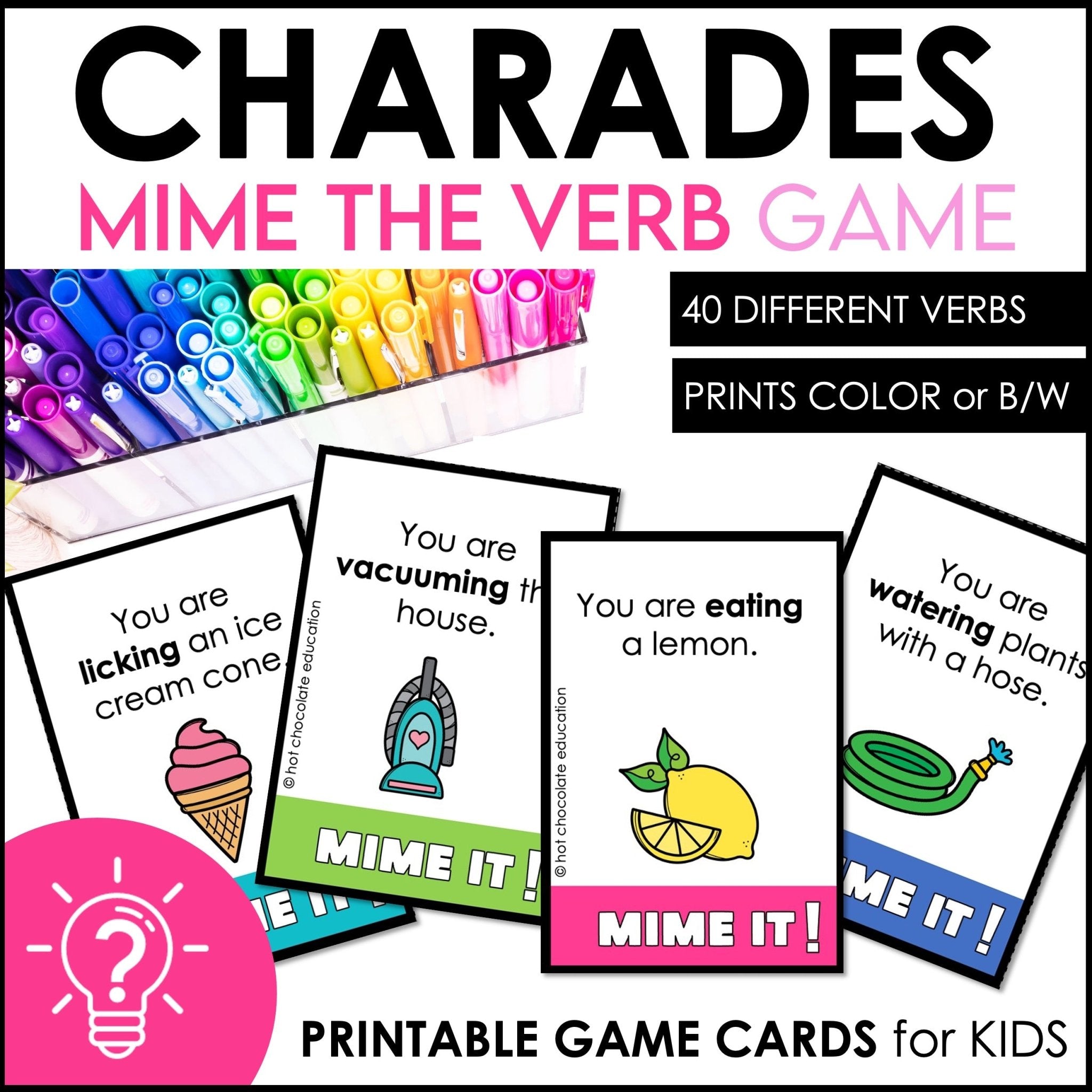
Charades help students start speaking without the pressure of giving a long personal introduction. One learner acts out a verb while classmates guess the word and use it in a complete sentence.
The Easy Action Verb Charades cards include illustrations that make the meaning clear, even for students who are still developing literacy skills. The activity encourages vocabulary recall, sentence building, creative thinking, and positive interaction.
How to play
- Review five to ten simple action verbs with gestures or pictures.
- Choose a student to draw a card and act out the verb silently.
- Invite classmates to guess using the target language: “Are you jumping?” or “You are writing!”
- Ask the student who guessed correctly to make a new sentence with the verb.
- Rotate roles so that every learner can participate in a comfortable way.
Students who are shy can be the reader, scorekeeper, or guesser before they act. More confident learners can add an object, place, or time phrase to make the sentence longer.
2. Create a visual student profile
Newcomers may understand more English than they can produce during the first week. A visual profile worksheet lets students share information through words, pictures, and short sentence frames before they are expected to speak at length.
Use a visual student profile worksheet to help learners introduce their name, interests, family, languages, favorite activities, and goals. The finished pages can become a welcoming classroom display.

Make the profile accessible at every level
- Beginning learners: offer picture choices, a bilingual word bank, and fill-in-the-blank sentences.
- Intermediate learners: ask students to write two or three complete sentences for each section.
- Advanced learners: add a short paragraph about a goal, a tradition, or something they would like classmates to know.
After students finish, let them practise with a partner using the frame “My name is…,” “I enjoy…,” or “One thing I want to learn is…”. Students can choose whether to share one detail or several, which keeps the activity supportive and inclusive.
3. Start a speaking jar
A speaking jar creates a simple routine that can last far beyond the first week. Place question cards in a jar or box, choose one prompt, and give partners a few minutes to talk. The questions can gradually become more challenging as students gain confidence.
Try these ESL conversation question cards to practise Present Simple, Past Simple, and Present Perfect forms. For seasonal review, add seasonal vocabulary prompts.

Build a reliable speaking routine
- Display three useful conversation stems before students begin.
- Let partners read the prompt together and think quietly.
- Require each student to answer and ask one follow-up question.
- Invite volunteers to share an interesting answer with the class.
- Save challenging questions for a future review lesson.
There are three levels, 150 questions, and labels that make it easy to keep the cards organized. Start with short Present Simple questions, then introduce Past Simple and Present Perfect when the class is ready.
4. Use a back-to-school games and activities bundle
If you want several options for the first week, a themed bundle can save planning time and help you vary the lesson format. Mix a get-to-know-you game with vocabulary review, movement, and short speaking challenges.
The Back-to-School ESL Bundle includes activities such as:
- Student profile worksheets
- Truth or Lie speaking games
- Ice-breaker question cards
- Find Someone Who activities
- Verb charades and mime games
- Roll-and-cover speaking topics
- School and classroom vocabulary flashcards
- Bingo and review activities
Use one activity for a whole class, or create stations with a different task at each table. Station roles such as reader, writer, speaker, and checker give every learner a clear way to contribute.
5. Review grammar with a Present Tense escape room
Once students know the classroom routines, an escape-room style challenge can turn grammar review into a collaborative story. In this back-to-school mystery, the class must find a lost classroom key by completing seven language tasks.
The Present Tense Escape Room reviews:
- Present Simple forms of be and have
- Classroom vocabulary and inferencing
- Prepositions of place
- Present Continuous action verbs
- Present Simple versus Present Continuous
- Word order in sentences and questions
- Subject pronouns

How to make the escape activity successful
- Pre-teach the key classroom words and grammar structures.
- Put students in small groups with a reader, recorder, checker, and speaker.
- Give each team the story, answer sheet, and first task.
- Check answers and provide hints when teams need support.
- Celebrate the final solution with bookmarks, homework passes, or a class reward.
The activity can be used during the first week or revisited later as a Present Tense review. Students practise language while reading, discussing, and solving a shared problem.
Plan a smooth first-week sequence
- Day 1: use charades and visual profiles to create a welcoming atmosphere.
- Day 2: introduce the speaking jar and model follow-up questions.
- Day 3: rotate through back-to-school stations and vocabulary games.
- Day 4: run the Present Tense escape challenge in small groups.
- Day 5: review the week’s language and let students choose their favorite activity.
Keep a simple checklist while students work. Note who can introduce themselves, ask a question, use a classroom word, and form the target verb correctly. This gives you useful information without turning the first week into a formal test.
Make the classroom welcoming for every learner
Students arrive with different levels of English, school experiences, and comfort with group activities. Offer visual support, allow thinking time, and let learners participate through drawing, pointing, reading, or speaking. A predictable routine and kind feedback help students take language risks.
For more ideas, browse the Back-to-School collection or explore ESL escape activities for future grammar and vocabulary review.
Ready for a stronger start?
Choose one low-pressure activity for your first lesson, then build from there. When students laugh, move, share a little about themselves, and use English with a partner, they begin the year feeling capable and connected.
Happy teaching!


