


On the last full math day before break, a seasonal activity works best when you already know which facts you want students to review. This Christmas multiplication routine gives Grades 2–3 one clear target and keeps the holiday story part of the fun.
Play The Missing Christmas Star
The Missing Christmas Star is a digital multiplication escape room for Grades 2–3. The village tree is missing its star. Students solve seven math challenges, find letter ornaments, and use them to open the gift box and light the tree. Across seven activities, students work with the times tables you select. They match factors and products, find missing numbers, model equal groups, and explain why an answer makes sense.

Plan a holiday review you can finish
Pick a pattern the class already knows, such as groups of 5. Show 5 × 4 and 5 × 5 side by side and ask how the second display changes. Then use the mission as a longer review block. Reserve the last few minutes for one independent check, so the lesson ends with something you can use after the break.
Use the mission before, during, and after a lesson
- Before play: Draw five gift bags with four ornaments in each. Ask students to write a multiplication equation and explain which number names the bags and which tells how many ornaments are in each.
- During play: Choose tables the class has already practiced. Build in a pause after a group or picture problem and have students explain their groups before moving on. For partner play, one child reads the equation while the other checks the grouping; then they switch.
- After play: Put two pictures on the board: 5 groups of 4 and 4 groups of 5. Ask students what changed in the drawing, what stayed the same, and what each equation would look like.
A teacher’s perspective
Save a full block for the digital mission. If you only have ten minutes before an assembly, use one of the printable practice ideas and keep the mission for another day.
As partners play, listen for the difference between counting all the ornaments and using a known fact. Both can produce a correct number, but a student who explains the grouping is ready for a different next step than a student who can only count by ones.
For students who need support, draw the bags first and let them fill each one. For a challenge, ask students to design two ornament displays that have the same total but different groupings.
Choose your facts and set up the game
Choose Beginner for the 0s, 1s, 2s, 5s, and 10s, Standard for tables 0–10, or Extended for tables 0–12. Custom lets you pick at least three tables from 0–12. Select 84, 126, or 168 questions based on the time you have. Every length includes all seven activities and the ending.
Use the teacher access instructions on the listing, then share a classroom code. Students join using a nickname and can play individually, in partners or small groups, or as a class. Test Mystery Missions on your school device before assigning the game.
Optional Amazon tool for the hands-on follow-up
As an Amazon Associate I earn from qualifying purchases. The following link is an affiliate link.
Use red and green squares to build ornament arrays. Ask a partner to read the rows and write an equation before rearranging the tiles.
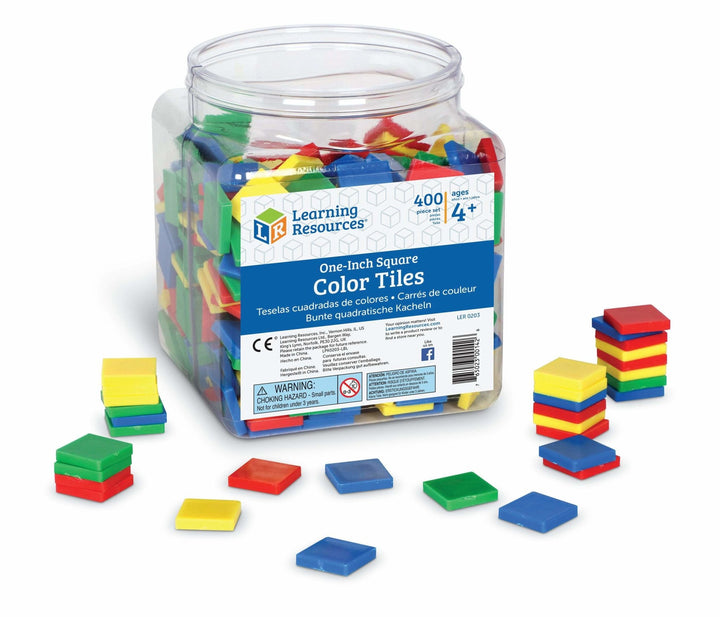
See Learning Resources Square Color Tiles (Set of 400) on Amazon
Frequently asked questions
Can I use the game for a mixed Grade 2–3 group?
Yes. Use familiar group models and pick a shared fact set for whole-class play, or give small groups different sets when you can support them separately.
Which times tables should I choose for a December review?
Choose tables the class has already practiced. The Beginner set is a useful option if students know the 0s, 1s, 2s, 5s, and 10s. Use Custom for three or more specific tables.
What if I only have ten minutes before a holiday event?
Use the ornament warm-up or the exit question as a standalone activity. Save the full mystery for a longer math block so students have time to think and finish the story.
How can I play The Missing Christmas Star with the whole class?
Project the game and give everyone a few seconds to work out each fact. Have students share with a partner or show an answer on paper before someone enters the class answer.
What can students do once they find the star?
Have them sketch two ornament displays with the same total, such as 3 groups of 4 and 4 groups of 3, and write an equation for each.
Explore The Missing Christmas Star to see the game previews and choose the multiplication practice your class needs.


