
How to Use Sight Word Checklists to Build Confident ESL Readers
Sight words give beginning readers an important pathway into meaningful text. When children can quickly recognize familiar words, they can focus more attention on the words around them, the message of the sentence, and the joy of understanding what they read.
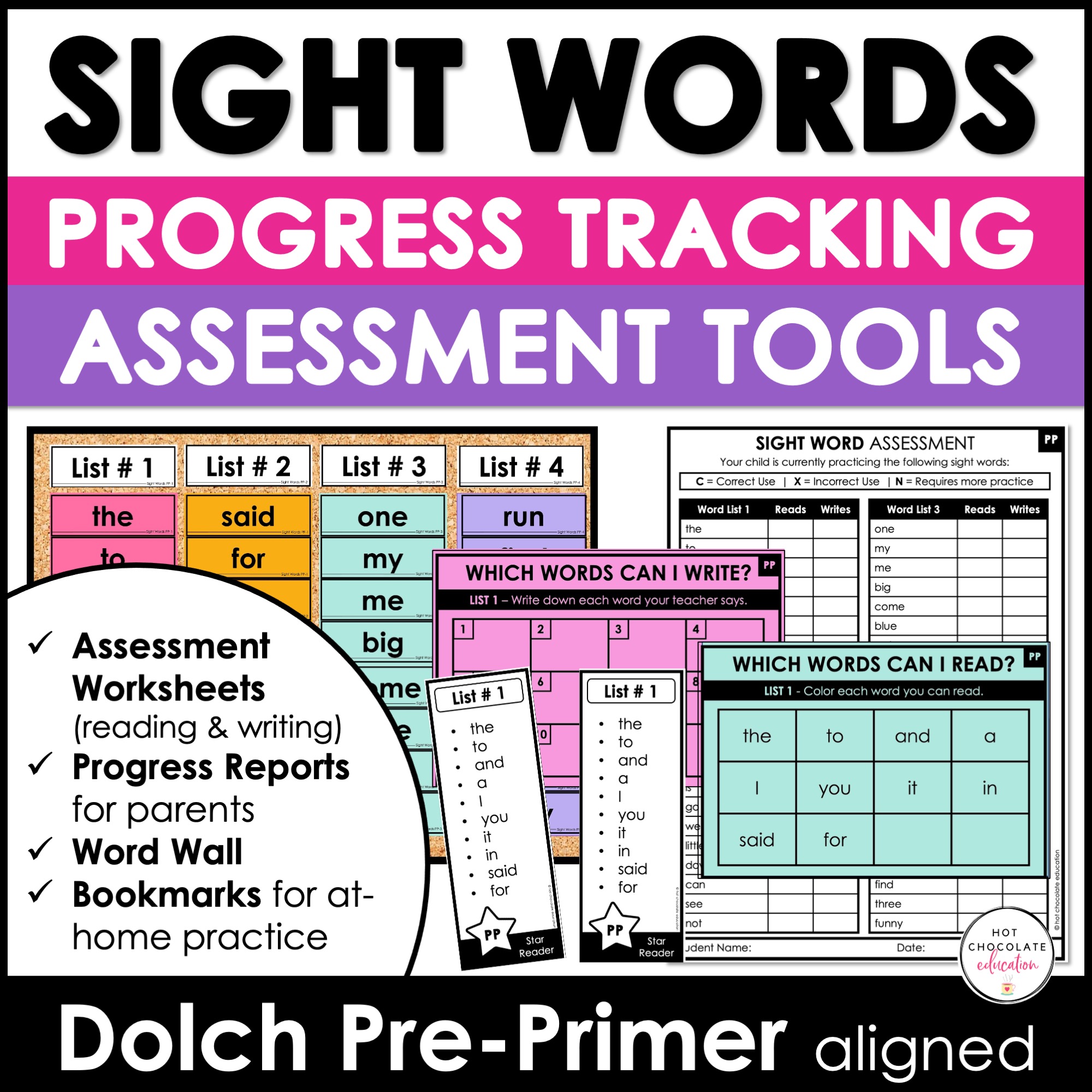
For ESL and EFL learners, a simple checklist makes progress visible. It helps you notice which words students already know, choose the next small group of words to teach, and celebrate every step forward.

Why sight word checklists help
Beginning literacy can feel complex, especially when students are learning English at the same time. A checklist turns a large word list into manageable goals and gives teachers a quick way to plan focused practice.
- See what students know: Record words that are automatic and words that still need support.
- Plan purposeful lessons: Select a small group of words for each week instead of presenting too many at once.
- Build confidence: Students can see their growing list of “words I can read.”
- Connect reading and speaking: Use familiar words in short sentences, conversations, and classroom routines.
How to use a sight word checklist
- Start with a quick baseline. Invite each learner to read a few words without pressure. Mark the words they recognize independently.
- Choose a small target. Begin with a handful of high-frequency words from the pre-primer list, then add new words when the first group is secure.
- Practice in short bursts. A five-minute review at the start of a lesson is often more effective than one long memorization session.
- Use the words in context. Read patterned sentences, label classroom objects, and ask students to find the target word in a familiar book.
- Review and celebrate. Revisit older words regularly and celebrate progress with specific feedback such as, “You recognized that word right away.”
.jpg)
Make the checklist work for every learner
Use the checklist as a flexible teaching tool rather than a test. Some students may recognize a word when it appears in a sentence but need more time to read it on its own. Others may benefit from pictures, gestures, repetition, or a chance to hear the word before reading it.
- Pair each new word with a simple sentence and a meaningful image.
- Invite students to trace, build, write, and read the word in different ways.
- Let learners practice with a partner before checking the word independently.
- Keep mastered words in review so they remain automatic over time.

Turn tracking into active practice
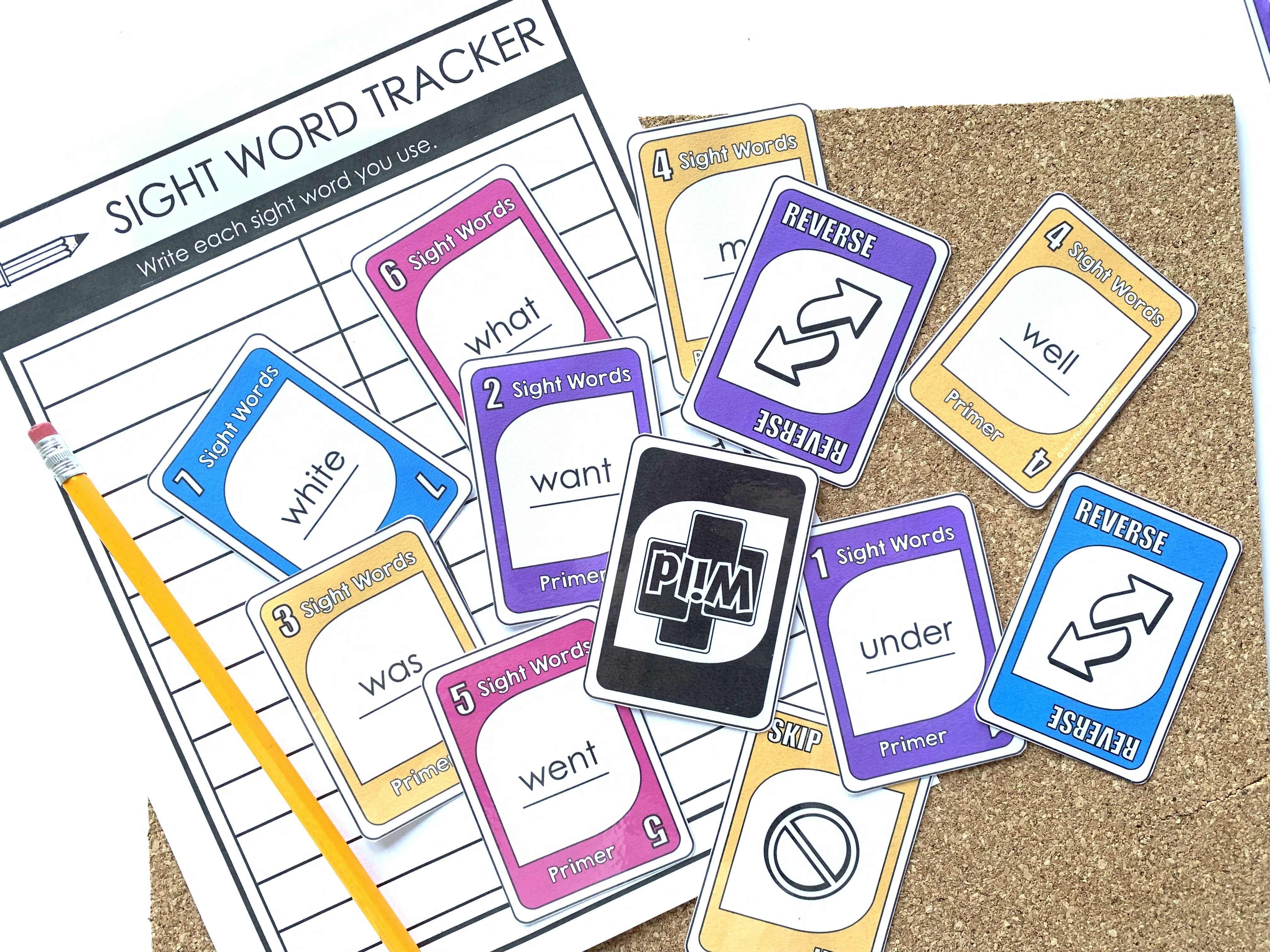
Checklists work best when they lead to playful reading practice. Try a quick word hunt, a read-and-cover game, a sentence-building challenge, or a partner activity in which students take turns finding and reading a target word. These routines give children repeated exposure without making practice feel repetitive.
For more printable ideas and sight word activities, explore the sight word resources at Hot Chocolate Teachables.

A simple routine for steady progress
Keep the checklist nearby, practice a few words at a time, and return to familiar words in new contexts. With consistent review and encouraging feedback, students develop faster word recognition, stronger reading comprehension, and the confidence to approach a whole page of text.

Use the checklist, keep practice positive, and help every young reader feel successful.